

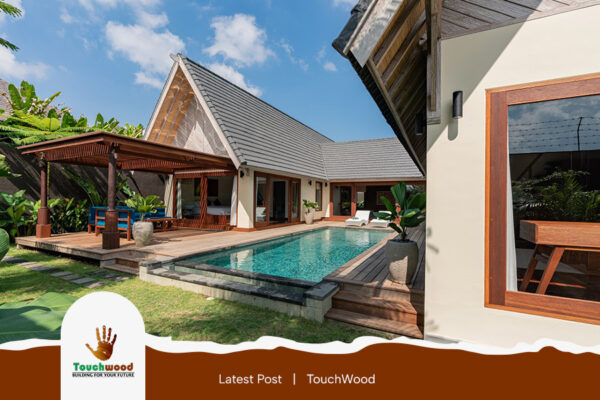
Sustainable Tropical Architecture: Building for the Next Generation
Introduction to Sustainable Tropical Architecture
Sustainable tropical architecture is an approach to building design that respects climate, culture, and the natural environment. As demand for eco-friendly construction increases, more architects and developers realize that building in tropical regions requires strategies beyond aesthetics alone. Sustainable tropical architecture combines climate-responsive design, renewable materials, and low-impact construction methods to create spaces that are comfortable, resilient, and long-lasting.
In tropical regions where humidity, heat, and heavy rain are part of daily life, smart design becomes essential. Architects must consider airflow, natural light, shading, and material selection to achieve buildings that remain usable and energy-efficient for decades. By prioritizing sustainability, tropical architecture contributes to environmental preservation while offering healthy, comfortable spaces for the next generation.
Why Sustainability Matters in Tropical Regions
Tropical regions are among the most biodiverse and climate-sensitive areas in the world. Rising temperatures, deforestation, and unpredictable weather patterns threaten ecosystems and human settlements alike. Sustainable tropical architecture plays a crucial role in reducing environmental impact while supporting long-term resilience.
Many tropical countries face rapid development, which often leads to conventional construction practices that rely heavily on concrete, steel, and nonrenewable materials. These methods increase carbon emissions and disrupt the natural landscape. Sustainable architecture provides an alternative by using materials and design principles that support ecological preservation and minimize long-term energy use.
By focusing on sustainability, tropical buildings can adapt to changing environmental conditions. The next generation will inherit spaces that are both functional and environmentally responsible.
Principles of Climate-Responsive Tropical Design
Sustainable tropical architecture begins with understanding climate conditions. Effective buildings work with nature, not against it. Several design principles are essential:
Maximizing Natural Ventilation
Airflow is key to reducing heat buildup. Cross-ventilation, open layouts, and high ceilings allow hot air to escape, reducing the need for mechanical cooling. When buildings remain naturally cool, energy consumption decreases significantly.
Managing Sunlight and Heat Gain
Tropical sunlight is intense, so shading is necessary. Deep roof overhangs, pergolas, and adjustable louvers help block direct heat while allowing natural illumination. Using shade wisely improves comfort without relying on artificial lighting.
Integrating Indoor and Outdoor Spaces
Tropical architecture often blurs the boundaries between exterior and interior areas. Open terraces, verandas, and breezeways encourage continuous airflow and create living spaces that feel connected to nature.
Using Earth-Friendly Materials
Materials play a major role in sustainability. Renewable resources such as bamboo and certified tropical hardwood reduce carbon footprints while providing long-lasting structural performance.
Designing for Heavy Rain and Storms
Tropical climates experience intense rainfall. Sustainable design includes proper drainage, elevated structures, and durable roof systems that withstand extreme weather conditions.
These principles ensure that buildings remain functional, efficient, and comfortable throughout the year.
The Role of Sustainable Materials in Tropical Architecture
Material choice directly influences the eco-footprint of a building. Sustainable tropical architecture prioritizes materials that are renewable, durable, and responsibly sourced.
Certified Tropical Hardwood
Timber from sustainably managed forests provides strength and beauty. Hardwood species like merbau, teak, and ironwood offer exceptional durability, making them ideal for structural and exterior applications. Sustainable certification ensures that trees are replenished and forest ecosystems remain intact.
Bamboo as an Innovative Alternative
Bamboo grows rapidly and regenerates without replanting, making it one of the world’s most renewable materials. Its strength and flexibility suit both structural and decorative purposes in tropical architecture.
Recycled and Reclaimed Wood
Using reclaimed wood reduces waste and lowers environmental impact. Its unique texture and history add character to modern designs.
Low-Carbon Concrete Solutions
Concrete still plays a role but can be used responsibly. Incorporating fly ash, recycled aggregates, or new low-carbon cement formulas helps reduce emissions.
Natural Insulation Materials
Coconut fiber, wool, and recycled cellulose support indoor temperature regulation without relying on synthetic products.
By choosing renewable materials, architects support sustainable development while delivering high-quality buildings.
Designing for Longevity and Resilience
Sustainable tropical architecture focuses on long-term durability. A building must withstand intense sunlight, heavy rains, storms, humidity, and sometimes strong winds. Resilience ensures safety and reduces repair costs over time.
Elevated Foundations
Raising structures minimizes flood risk and allows better airflow beneath the building—reducing moisture and mold issues.
Cyclone-Resistant Construction Techniques
Areas prone to hurricanes or strong storms require reinforced joinery, braced frames, and secure roof attachments. Sustainable tropical architecture balances environmental responsibility with structural safety.
Weather-Resistant Finishes
Protective coatings help timber resist termites, moisture, and decay. Eco-friendly finishes extend material lifespan without introducing harmful chemicals.
Modularity and Prefabrication
Prefabricated timber construction reduces waste, speeds up assembly, and ensures consistent quality. Modular systems can be repaired or upgraded easily, extending the building’s life.
These strategies create homes and resorts that last for generations while maintaining minimal environmental impact.
Energy Efficiency in Tropical Buildings
Energy use is a major environmental factor. Sustainable tropical architecture ensures that buildings stay cool naturally, reducing the demand for air conditioning.
Passive Cooling Systems
Shaded courtyards, ventilated roofs, and open layouts promote natural cooling. Passive design reduces dependence on mechanical systems.
Smart Window Placement
Strategic window orientation maximizes light while minimizing direct heat. Adjustable shutters allow occupants to control airflow and privacy.
Solar Integration
Tropical regions receive abundant sunlight, making solar power ideal. Solar panels supply electricity for lighting, heating water, or charging energy storage systems.
Water-Saving Fixtures
Low-flow taps, rainwater harvesting, and greywater recycling minimize the overall water footprint. Efficient systems are essential in areas with inconsistent water supply.
By combining passive solutions with modern technology, buildings become energy-efficient and environmentally friendly.
Cultural and Social Dimensions of Tropical Architecture
Sustainable architecture goes beyond environmental concerns. It reflects the cultural values and social patterns of the communities it serves.
Respecting Local Traditions
Many tropical societies have long traditions of climate-responsive design. Raised floors, open verandas, and lightweight structures are part of architectural heritage. Incorporating these elements preserves cultural identity while improving performance.
Supporting Local Craftsmanship
Using local materials and skilled craftsmen strengthens community economies. Handcrafted timber joinery, bamboo weaving, and stonework enhance architectural character.
Designing for Community Well-Being
Buildings should support human comfort and social interaction. Outdoor gathering spaces, shaded walkways, and communal areas foster social cohesion.
Ensuring Affordability and Accessibility
Sustainable architecture must also be inclusive. Using local materials and efficient construction systems can reduce costs, making green buildings accessible to more people.
These aspects make sustainable tropical architecture relevant and meaningful for modern communities.
Innovations Shaping the Future of Tropical Architecture
Technology continues to push sustainable design forward. Tropical architecture now benefits from new tools and strategies that enhance efficiency and creativity.
Advanced Prefabrication
Prefabricated timber structures can be produced with precision. This reduces waste, shortens timelines, and ensures consistent quality.
Digital Modeling and Climate Simulation
Architects use simulation tools to study airflow, sunlight patterns, and energy performance. Data-driven design creates buildings that are optimized for tropical climates.
Sustainable Composite Materials
Eco-friendly composites, such as recycled-plastic wood blends, offer durability for elements like decking and facades.
Smart Home Integration
Sensor-based systems improve energy management. Automated shading, temperature monitoring, and lighting control help maintain comfort with minimal energy use.
These innovations demonstrate that sustainability and modern technology complement each other.
The Future of Building for the Next Generation
Sustainable tropical architecture is more than a trend—it is a long-term commitment to protecting the environment and supporting healthier lifestyles. The next generation will inherit the environmental consequences of today’s construction decisions, making sustainable practices essential.
By choosing renewable materials, designing for climate, and prioritizing low-impact construction methods, architects can create buildings that remain relevant for decades. As environmental awareness grows, sustainable tropical architecture will become the standard for luxury villas, resorts, and residential developments globally.
The future demands buildings that are both beautiful and responsible. Sustainable tropical architecture provides the blueprint for creating spaces that respect nature, elevate human comfort, and contribute to a better world.
Conclusion
Sustainable tropical architecture is a holistic approach that balances climate-responsive design, eco-friendly materials, cultural values, and advanced technology. It prepares communities for future challenges while enhancing everyday life. By embracing this approach, architects and developers help create buildings that are comfortable, resilient, energy-efficient, and environmentally responsible.
Building for the next generation requires thoughtful choices. Sustainable tropical architecture shows that luxury, aesthetics, and sustainability can exist together—offering a vision of the future where humans and nature coexist harmoniously.